

The Beauty of Imperfection: Why Antique Objects Bring Character to Modern Homes
There is something undeniably special about an object that has stood the test of time. A beautifully aged mirror, a weathered antique fireplace or a decorative piece bearing the subtle marks of generations of use can bring a quality to an interior that is difficult to replicate. In a world increasingly drawn towards newness and perfection, antique objects offer something rather different: character, individuality and a sense of history.
The appeal of antiques lies not simply in their age, but in the stories they carry. Their surfaces, materials and details reflect the passage of time, while their craftsmanship often reveals a level of care and attention that is not always encountered in contemporary, mass-produced objects. These are pieces that have lived a life before finding their place in another home.
And perhaps this is precisely what makes them so compelling in modern interiors.
The Beauty of Patina
One of the most distinctive qualities of an antique object is its patina. Whether found in the mellowed finish of an old mirror frame, the worn surface of a carved wooden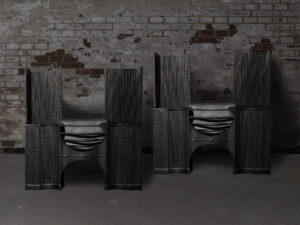 fireplace or the gentle ageing of brass, these subtle changes are part of what gives an object its appeal.
Rather than detracting from its beauty, the passage of time can enhance it. Layers of finish, softened edges and variations in colour create a depth and richness that are not possible to truly achieve artificially. Each mark and detail contributes to the character of the piece, making it entirely individual.
This is particularly evident in antique architectural features. An old fireplace, for example, may display intricate carving, beautifully aged stone or the natural variations of marble that have developed over many years. These details bring texture and authenticity to a room, providing a focal point that feels established rather than newly introduced.
A Home with a Story to Tell
The most interesting interiors rarely feel as though everything has been purchased at once. Instead, they develop gradually, bringing together objects from different periods, places and influences.
Antiques play an important role in creating this sense of individuality. A decorative mirror with an ornate frame, an antique light fitting or a carefully chosen architectural fragment can introduce a completely different dimension to a space. These objects have a presence of their own, bringing a sense of history that helps an interior feel more personal.
There is also something rather appealing about the idea that an antique object has existed in another setting, perhaps in a different home or even another country, before finding its way into yours. Its previous life becomes part of its character, adding a layer of interest that goes beyond its appearance.
In this way, decorating with antiques is as much about collecting as it is about design. It allows a home to reflect individual tastes and interests, rather than following a particular look or moment in fashion.
The Art of Mixing Old and New
One of the most effective ways to incorporate antiques into a home is to embrace contrast, sometimes even juxtaposition. An antique piece does not necessarily need to sit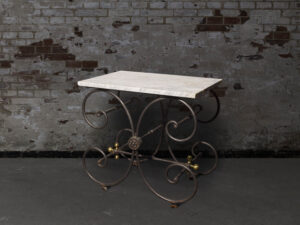 within a traditionally styled interior to feel at home. In fact, some of the most striking spaces are those that bring together historical objects and contemporary design.
A carved antique fireplace can provide a beautiful counterpoint to clean-lined furniture and understated decoration. An ornate gilt mirror can introduce warmth and detail to a minimalist room, while antique lighting can soften the simplicity of a more contemporary setting.
The key is often to allow individual pieces enough space to be appreciated. Rather than filling a room with objects from the same period, consider introducing one or two distinctive antiques that complement the surrounding architecture and furnishings.
This approach creates interiors that feel layered and considered, without becoming overly formal or carefully arranged. The contrast between different periods and styles brings a natural sense of balance, allowing each element to contribute something of its own.
Craftsmanship That Stands the Test of Time
Another reason antique objects remain so desirable is the craftsmanship behind them.
Many historical pieces were made using traditional techniques, with considerable attention given to materials, proportions and decorative detail. Whether it is the carving of a marble fireplace, the construction of a mirror frame or the intricate detailing of an antique light fitting, there is often a remarkable level of skill evident in the finished object.
Natural materials also play an important part in their appeal. Marble, stone, timber, bronze and brass each age in their own way, developing distinctive qualities over time. These materials bring a sense of permanence and substance to an interior, while their natural variations ensure that no two pieces are quite alike.
For those who appreciate traditional interiors and architectural detail, these qualities are part of the attraction. An antique object is not simply decorative; it is also a reflection of the materials, techniques and aesthetic preferences of the period in which it was created.
Embracing Individuality
Ultimately, the beauty of incorporating antiques into a home lies in the freedom to create something individual.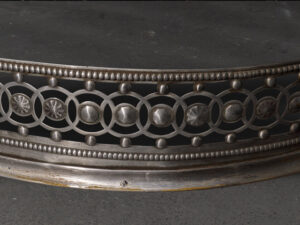
There is no need for every object to match, every finish to be flawless or every room to follow a particular design language. A little contrast, a touch of age and the occasional unexpected detail can make all the difference.
An antique mirror might bring a sense of grandeur to an otherwise understated room. A period fireplace could introduce architectural interest where there was previously very little. Even a smaller decorative object can provide a focal point, adding personality without overwhelming its surroundings.
These are the details that make a home feel lived in and thoughtfully put together. They remind us that interiors need not be static or perfectly coordinated to be beautiful.
Perhaps that is the enduring appeal of antiques. They bring with them a sense of history, craftsmanship and individuality that cannot simply be recreated. Their imperfections are part of their charm, and their ability to sit comfortably within both traditional and contemporary settings ensures they remain relevant across generations.
A truly beautiful home is not necessarily one in which everything is perfect. It is one in which every piece has a reason to be there, and where the combination of old and new creates something entirely its own.