
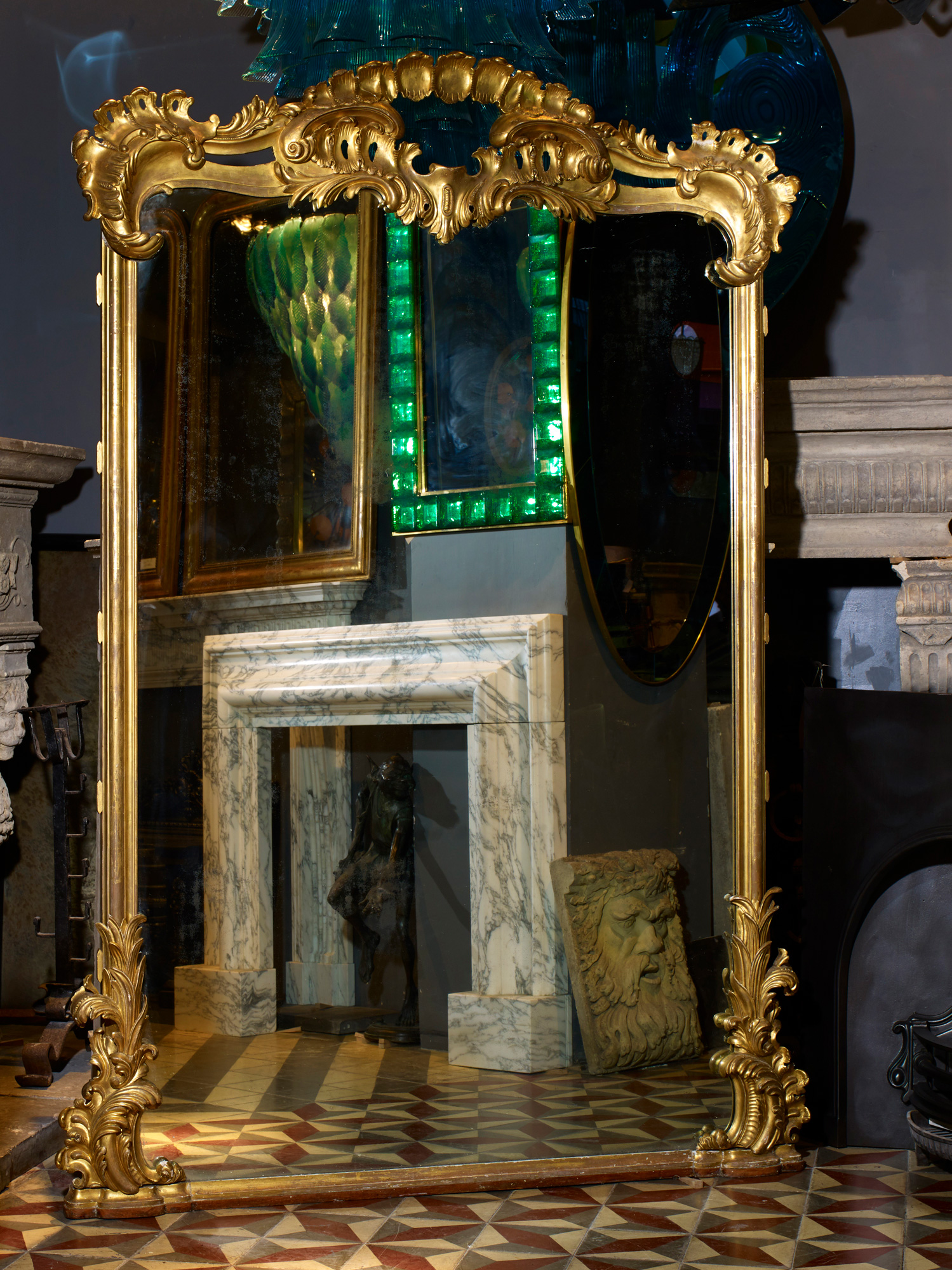
The Art of Mixing Eras: How to Pair Antique Fireplaces with Modern Furniture (& Contemporary Art)
Firstly, our expertise extends deeply into fireplaces, perhaps less deeply into furniture. That not with standing, we feel the most compelling interiors are rarely those that belong entirely to one period. Instead, they bring together different eras, materials and influences to create spaces that feel individual, considered and full of character. An antique marble fireplace beneath a contemporary painting, a sculptural vintage light suspended above a minimalist dining table, or an ornate mantelpiece set against clean architectural lines can transform a room into something truly memorable.
For homeowners, interior designers and architects, mixing antique and contemporary pieces offers an opportunity to create interiors that feel timeless rather than tied to a particular trend. At the heart of this approach is the art of contrast: knowing how to combine historic craftsmanship with modern simplicity while allowing each element to retain its own identity.
At Renaissance London, architectural antiques offer a rich starting point for this way of thinking about interiors. From elegant period fireplaces to distinctive decorative pieces, historic objects can provide the character and depth that make a contemporary space feel complete.
Let an Antique Fireplace Take Centre Stage
A fireplace can define the character of an entire room. Its proportions, materials and decorative details naturally draw the eye, making it an ideal focal point around which to build a contemporary interior.
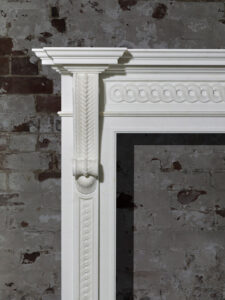 An antique marble fireplace, for example, can introduce sculptural detail into a room with understated walls, streamlined furniture and a restrained colour palette. The veining of the marble, the patina of the stone and the craftsmanship of the surround provide visual interest without requiring additional ornamentation.
In a Georgian or Victorian property, an original fireplace can reinforce the architectural character of the building. In a more contemporary home, an antique surround can introduce a sense of history and permanence, creating a striking contrast with modern finishes.
The key is to give the fireplace room to breathe. Avoid overcrowding the mantelpiece with accessories or placing too many competing features around it. A carefully selected artwork, a sculptural object or a simple arrangement of flowers may be all that is needed to complete the composition.
Rather than attempting to make the fireplace blend into its surroundings, allow it to become a defining feature of the space.
Balance Ornate Details with Modern Furniture
One of the most effective ways to mix different eras is to contrast the decorative character of antique pieces with the simplicity of contemporary furniture.
A richly carved fireplace surround can work beautifully alongside a streamlined sofa, a minimalist coffee table or a pair of sculptural modern armchairs. The contrast prevents the room from feeling overly traditional while allowing the craftsmanship of the antique to stand out.
Equally, a relatively understated antique fireplace can provide a subtle historic counterpoint to contemporary furniture with strong silhouettes or unusual forms.
Proportion is particularly important. A substantial marble mantelpiece needs furniture with enough visual presence to balance it, while a delicate fireplace may be overwhelmed by oversized furnishings. Consider the scale of each element in relation to the room as a whole, rather than selecting pieces in isolation.
It is also worth thinking about negative space. Leaving breathing room around distinctive objects helps their shapes and details become more apparent. A room does not need to be filled with furniture to feel finished; often, a more selective approach creates a stronger impression.
Combine Materials for Depth and Character
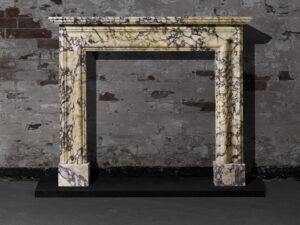 Successful interiors are not defined by style alone. Materials play an equally important role in creating a sense of harmony between old and new.
Antique fireplaces offer a particularly rich palette of materials, from the veining and natural variation of marble to the dark, tactile qualities of cast iron and the warmth of carved timber. These can be complemented by contemporary materials such as brushed brass, polished glass, natural linen and smooth plaster.
Consider the contrast between a cool marble fireplace and a soft wool rug, or the way a dark cast-iron insert can anchor a room filled with pale oak and neutral upholstery. These combinations introduce depth without relying on strong colours or elaborate decoration.
Texture is often more effective than matching everything to a single palette. The worn surface of an antique object can sit comfortably beside a pristine modern finish precisely because the two are different.
For a cohesive result, repeat selected materials or tones throughout the room. A brass detail in a contemporary light fitting might echo the warmth of an antique decorative object, while a colour found in the veining of a marble surround could be picked up in cushions or artwork.
The aim is not to make every element identical, but to create subtle connections that bring the space together.
Bring Contemporary Art into a Traditional Setting
Art offers another opportunity to create an engaging dialogue between different periods.
A contemporary painting above an antique fireplace can introduce colour, movement and a distinctly modern perspective into a room with historic architectural details. Alternatively, a restrained monochrome work can emphasise the sculptural qualities of an ornate marble surround without competing with it.
Scale matters. A small artwork may feel lost above a substantial mantelpiece, while an oversized piece can overwhelm a delicate architectural feature. Consider the proportions of the wall, the height of the ceiling and the visual weight of the fireplace when selecting artwork.
Framing can also influence the relationship between old and new. A contemporary work in a simple frame can provide a clean contrast against traditional mouldings, while a more elaborate frame may create a deliberate connection with the room’s historic character.
There is no need for the artwork to reflect the period of the property. In many cases, the most interesting interiors are those that resist literal historical references and instead bring together pieces that share a common quality, whether that is colour, form, scale or emotional impact.
Use Lighting to Connect Different ErasLighting can help unify an interior that combines antique architectural features with contemporary furnishings.
A vintage chandelier can introduce sculptural presence into a modern room, while a carefully chosen contemporary pendant can bring a fresh perspective to a 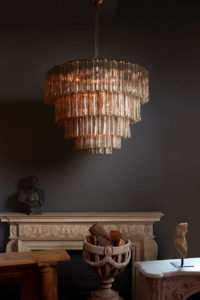 traditionally detailed space. Table lamps, wall lights and floor lamps can also create layers of illumination that emphasise the textures and proportions of antique pieces.
Consider how light falls across a fireplace surround. Directional lighting can reveal the depth of carved details, while softer ambient light can highlight the natural variation of marble and create a more intimate atmosphere.
Decorative lighting can also act as a bridge between periods. Murano glass, for instance, can introduce colour, craftsmanship and organic forms that sit comfortably alongside both historic architecture and modern furniture.
Rather than selecting lighting solely to match the fireplace, think about the mood you want the room to create. A successful scheme balances practical illumination with the decorative impact of the objects themselves.
Avoid Making Everything Match
One of the most common mistakes when designing an interior around antique pieces is trying to make every element belong to the same period.
A room filled exclusively with historically appropriate furniture and accessories can feel more like a period recreation than a home with its own personality. Conversely, introducing too many contrasting styles without a clear direction can make the space feel disjointed.
A more considered approach is to establish a few connecting elements. These might include a consistent colour palette, related materials, complementary proportions or a shared emphasis on craftsmanship.
For example, an ornate Victorian fireplace could sit alongside contemporary furniture in muted colours, a modern artwork and a vintage glass light fitting. Each piece belongs to a different visual language, but the overall composition can still feel harmonious because the materials, scale and palette work together.
It is equally important to be selective. Not every antique deserves a place in every room, and not every contemporary piece will complement a particular architectural feature. Choose objects for their individual qualities and for the way they contribute to the wider composition.
The goal is a room that feels collected over time, rather than assembled all at once.
Start with the Architecture, Then Build the Interior
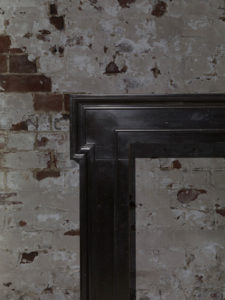 When introducing an antique fireplace or another architectural feature into a contemporary setting, begin by considering the structure of the room.
Ceiling height, wall proportions, existing mouldings and the placement of windows and doors will all influence how a fireplace sits within the space. A surround that looks impressive in isolation may feel disproportionate if its scale is not appropriate for the room.
In period properties, original architectural features can provide useful reference points when selecting additional pieces. In newer homes, an antique fireplace may become the central element that establishes the character of the interior.
Practical considerations matter too. Before installing an antique fireplace, check its dimensions, condition and suitability for the intended setting. If the fireplace is to be used rather than purely decorative, ensure that the installation, flue and associated components are assessed by appropriately qualified professionals and comply with applicable building and fire-safety requirements.
A thoughtful approach to both design and installation ensures that the finished result is as functional as it is visually compelling.
Creating an Interior That Feels Timeless
Mixing antique fireplaces with modern furniture and contemporary art is ultimately about more than combining different styles. It is about recognising the qualities that make individual objects special and finding ways for them to complement one another.
An antique fireplace can bring history, craftsmanship and a sense of permanence to a contemporary room. Modern furniture can provide clarity and simplicity, while artwork and decorative lighting introduce individuality and a fresh perspective. Together, these elements can create an interior that feels layered, balanced and unmistakably personal.
The most successful spaces do not follow a rigid formula. They are shaped by thoughtful choices, an appreciation of materials and a willingness to embrace contrast.
Whether you are renovating a period property or introducing architectural antiques into a modern home, begin with the pieces that genuinely capture your imagination. Give them space, consider their relationship with the surrounding architecture and allow old and new to coexist naturally.
At Renaissance London, the enduring appeal of architectural antiques lies in their ability to bring character and individuality to a space. When paired with contemporary design, these historic pieces can become part of a new story — one that respects the past while looking firmly towards the future.
Discover the possibilities of architectural antiques with Renaissance London, and explore how distinctive fireplaces and decorative pieces can help shape a more individual interior.